

Value Chain: Understanding our impacts across the product lifecycle
We have considered the sustainability impacts, risks and opportunities associated with all stages of our value chain, from the sourcing of raw materials and services through to our own operations, distribution, use of our products and services, and end-of-life. This assessment considers relevant environmental, social and governance (ESG) factors and helps us identify where our activities and business relationships may have the most significant impacts.
Collaboration
Continuous Improvement
Ownership
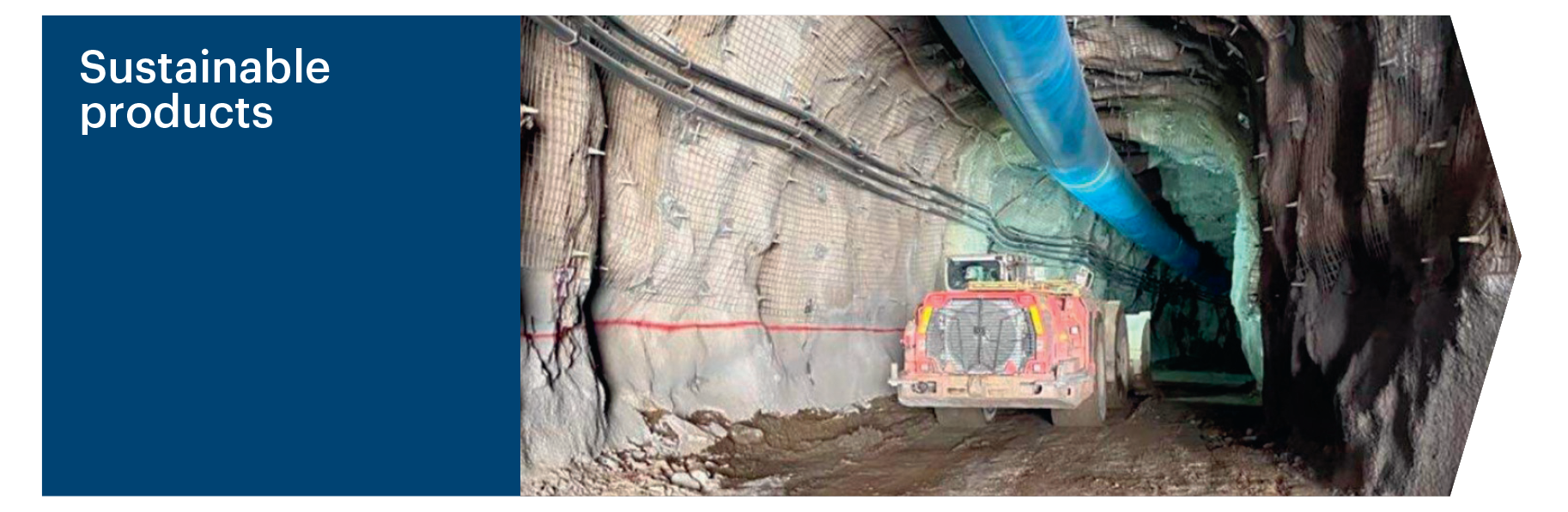
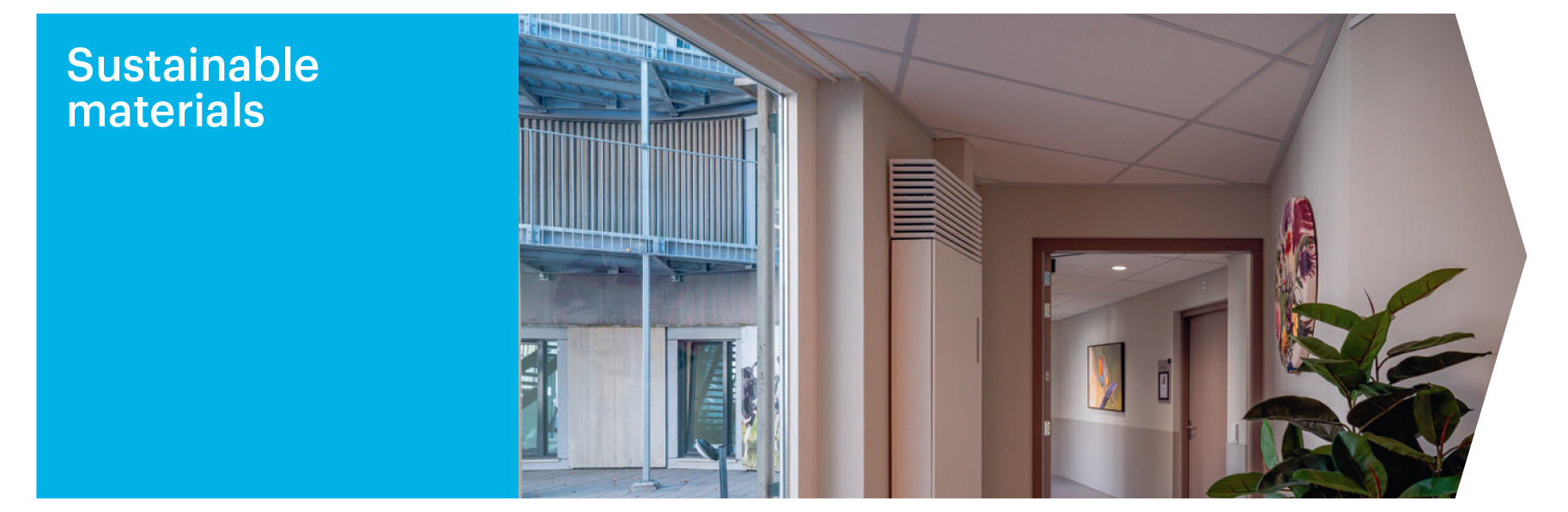
 Product
To champion the energy saving potential of our products and solutions and support the net zero ambitions of customers and stakeholders.
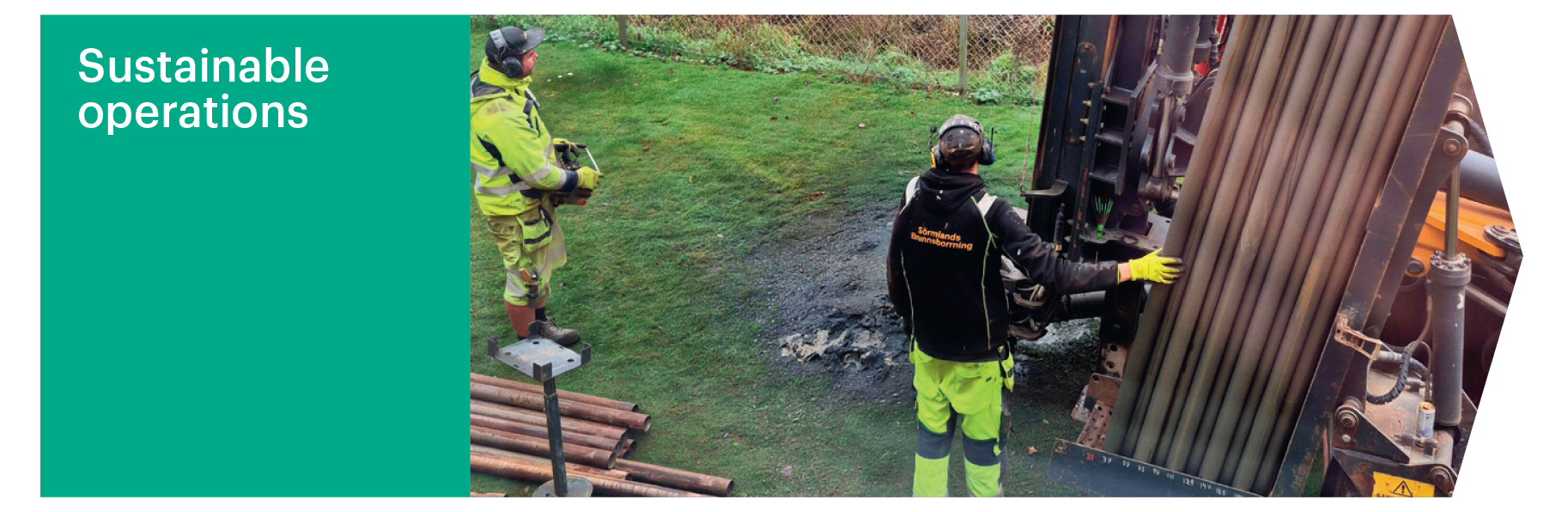
 Planet
To reduce climate and environmental impact by improving operations and reducing emissions.
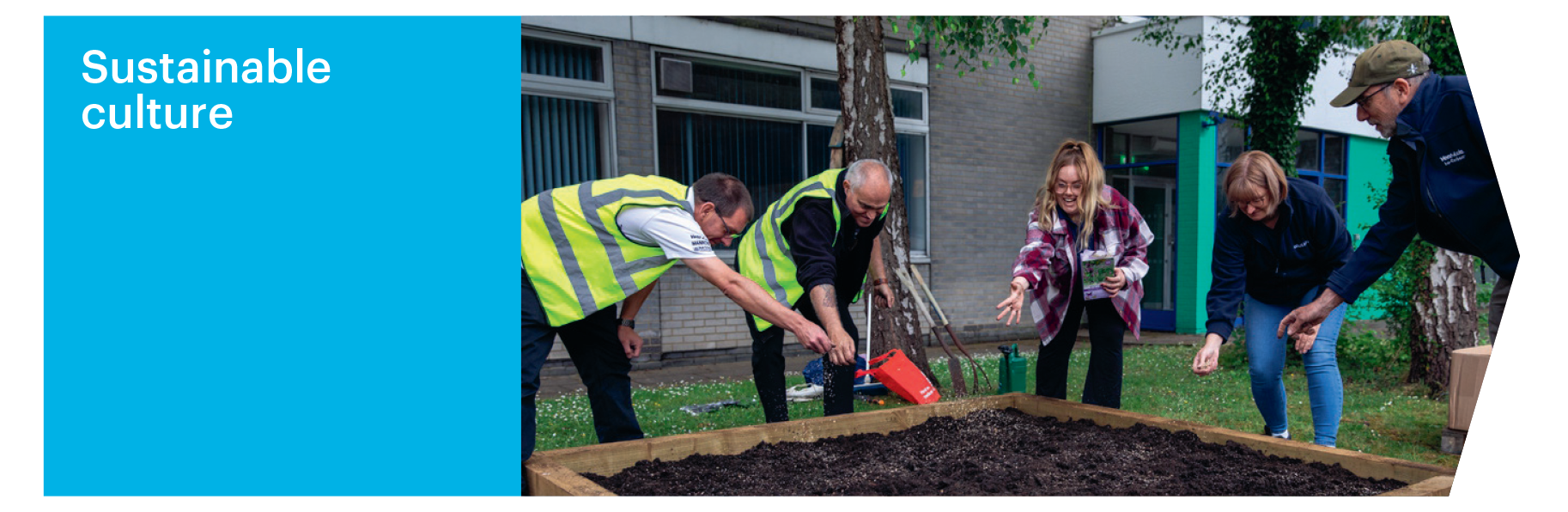
 People
To develop an engaged and inclusive workforce where employees feel valued and can fulfil their potential.